
In the roofing business, it's common to see jobs selling well, crews working relentlessly, and revenue numbers rising. Yet, when it comes to profits, the numbers often don’t match expectations. Many roofing owners assume profitability without verifying it on a job-by-job basis.
Why Roofing Job Profitability Is Harder to See Than It Seems
Revenue can mask inefficiencies, making it seem like all jobs are profitable when they’re not. Busy crews bustling with activity don't automatically equate to successful jobs. End-of-month profit numbers rarely indicate which jobs were true money-makers and which ate into your roofing margins.
The Real Drivers of Roofing Job Profitability
Labor Hours vs. Plan: Monitor production speed, overtime, and crew size. If labor exceeds planned hours, profits slip.
Material Waste and Overages: Excessive waste results in higher costs, eating into profitability.
Rework and Callbacks: Address any need for corrections promptly, as they add unforeseen expenses.
Job Duration Creep: Jobs taking longer than expected can drag down margins significantly.
How Roofing Labor Costs Quietly Kill Profits
Planned versus actual hours can differ widely. Overtime often sneaks in due to inefficiencies, while differences in crew productivity can change the equation entirely. For instance, a crew expected to finish a job in three days might take five if inefficiencies aren’t managed, reducing your roofing job profitability.
Why Rework and Callbacks Matter More Than Owners Think
Rework and callbacks can quietly drain profits. A single callback to fix issues can nullify the profit from a job. High-level reports often ignore these additional costs, masking their impact on roofing job costing.
The Overhead Mistake That Skews Roofing Margins
Ignoring overhead allocation on a per-job basis can make unprofitable jobs appear lucrative. Viewing overhead as a percentage of the job helps; consider simplifying this without complex math. Allocating overhead accurately is crucial to understanding true roofing margins.
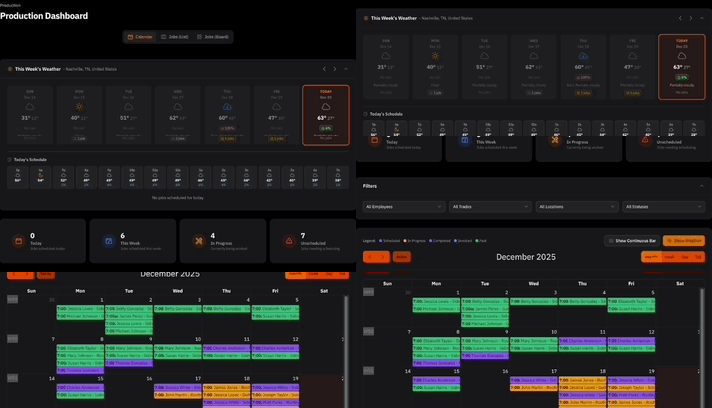
What Job-Level Visibility Actually Looks Like in a Roofing Company
Roofing owners should track:
Estimated vs. Actual Labor: Know the disparity to adjust quickly.
Actual Margin After Rework: Consider profit after all corrections.
Job Duration vs. Plan: Measure time against expectations to identify delays.
Cost Overruns While Job Is Active: Keep an eye on costs to take proactive measures.
How Systems Help Roofing Owners Spot Profitable Jobs Early
Visibility systems can highlight margin problems as they happen, allowing adjustments before profits vanish. These systems remove guesswork, enabling roofing job profitability by showing exactly where each job stands—before issues become unmanageable. Consider these as tools, not sales solutions.
Profitable roofing companies don’t leave success to chance. They track the right signals and learn from every job, understanding why some feel busy yet fail to bring in money. By focusing on job-level insights, you can transform operations and truly understand which jobs are profitable.


