
Imagine this: You've been working with a subcontractor for months. They're reliable, their work is solid, and you've built a good rapport. Everyone assumes their insurance is current — until a mishap occurs, and suddenly, everyone realizes the COI expired weeks ago. This is one of those risks you don’t notice until it costs you.
Why Expired COIs Are So Common in Roofing Companies
Expired COIs in roofing businesses are more common than most owners realize. Subcontractors often rotate in and out, making it challenging to keep track of every detail. Insurance policies can lapse quietly, and in the rush of busy seasons, it’s easy to assume "no news is good news" regarding paperwork. Empathy and practicality are key, as these are real-world challenges every roofing business faces.
What Actually Happens When a COI Is Expired
Consider a realistic scenario: There’s an accident on site involving a subcontractor. When you file a claim, the insurance company asks for documentation. As you scramble, you discover the subcontractor’s COI is expired. In simple terms, without a valid COI, the liability shifts directly onto your shoulders. This means more than just unexpected costs — it could threaten your entire business’s financial stability.
The Hidden Roofing Compliance Risk Owners Don’t See
The absence of a valid COI can lead to several hidden risks. Without it, you're exposed to workers' comp liability, which means any injury on-site could end up being your responsibility. This situation can also increase audit findings and bring claims right back to your roofing company, creating substantial downstream financial risks. These realities tie directly to subcontractor insurance needs in roofing.
Why Manual COI Tracking Breaks Down
Using spreadsheets, email folders, or simply planning to “check later” may work initially, but as the number of subcontractors grows, this approach can quickly become unmanageable. It’s not about judgment; it’s about acknowledging that manual tracking methods often lead to gaps, especially during hectic periods. These methods can’t keep up with the pace and complexity of a dynamic roofing business.
What Good COI Management Actually Looks Like
Effective COI management involves centralized storage, expiration tracking, and ensuring visibility into coverage status. It eliminates the guesswork during audits or claims and provides peace of mind. Proper management focuses on tangible outcomes — knowing exactly when certifications expire and what coverage subcontractors currently have.
How Systems Reduce COI Risk Without Adding Headaches
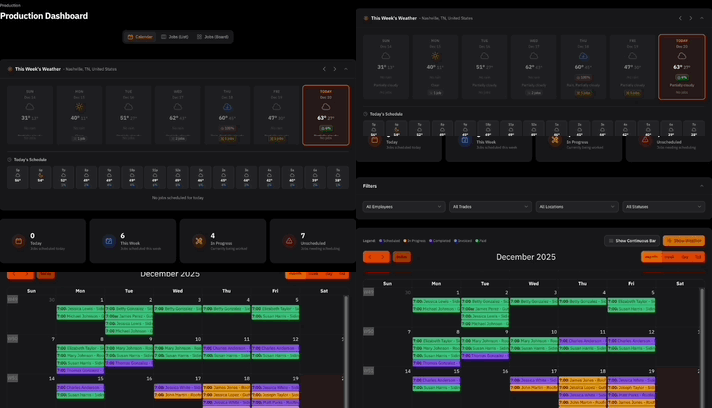
Roofing companies can use systems specifically designed to manage COIs. These tools automatically track expiration dates, keep subcontractor insurance visible, and minimize roofing compliance risks. Implementing roofing business management software acts as a safeguard for organizational integrity, helping you maintain control without unnecessary administrative burden.
Ultimately, expired COIs don’t feel urgent — until they suddenly are. The risk isn’t just theoretical; it's about timing. By focusing on prevention and utilizing smart tools, you can protect your roofing business from unexpected liabilities, ensuring stability even when dealing with rotating subcontractors.


