
A roofing crew rolls up to a job site, ready to tackle the day's projects, only to find that their truck won't start. Imagine the loss: labor hours wasted, jobs delayed, frustrated customers. This scenario is more common than many roofing contractors realize, and it underscores a critical issue affecting productivity and profits. Missed roofing vehicle maintenance can create ripples across your business, leading to significant financial and reputational costs.
The stakes are high. Every hour a vehicle is down can result in significant losses. The cost isn't just in delayed jobs; it's compounded by lost labor hours and damaged customer trust. Understanding the impact of vehicle maintenance on roofing contractor productivity is essential for those wanting to maintain a competitive edge.
The Real Cost of Reactive Maintenance for Roofing Fleets
Reactive maintenance refers to fixing vehicles only when they break down, rather than adhering to a scheduled maintenance plan. In the roofing industry, this approach can be especially damaging. A single truck breakdown doesn't just stall that vehicle; it can halt an entire crew, leading to cascading production losses.
Beyond immediate repair costs, reactive maintenance causes missed installations and requires rescheduling crews, often leading to overtime expenses. This can result in customer churn, as consistently delayed timelines erode trust. Roofing operations are uniquely vulnerable due to the heavy loads transported, seasonal rushes, and long drives to job sites.
How Truck Downtime Quietly Drains Roofing Revenue
Truck downtime in roofing is a compounded issue. During peak season, when every job counts, a sidelined vehicle can be devastating. One delayed project can push back multiple subsequent jobs, creating a schedule ripple effect that hurts the bottom line.
As crews wait on vehicle repairs, labor costs continue to rise without any work being done. Moreover, when timelines slip, customer experience and satisfaction take a hit, affecting future business opportunities. It's clear that minimizing downtime is key to safeguarding revenue and reputation.
Roofing Vehicle Maintenance Best Practices That Protect Your Bottom Line
Implementing proactive maintenance strategies can safeguard your operation's productivity. Setting mileage- and time-based service intervals for all fleet vehicles ensures regular upkeep. Conducting and documenting pre-trip and post-trip vehicle inspections help catch issues early.
Monitoring tire wear, oil changes, brake conditions, and trailer hitch integrity are essential to maintaining fleet health. Assigning vehicle ownership to specific drivers or crew leads fosters accountability. Keeping a detailed maintenance log for each truck ensures no service intervals are missed, helping avoid the pitfalls of reactive maintenance.
How ContractorHUB Helps Roofing Contractors Stay Ahead of Fleet Issues
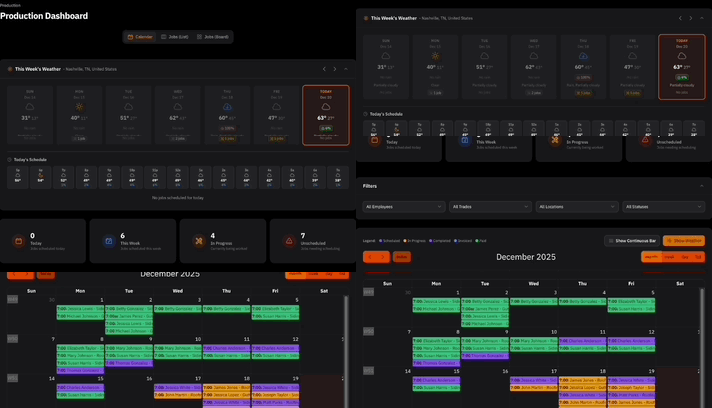
ContractorHUB offers roofing contractors comprehensive visibility into their fleet and field operations. By tracking vehicle maintenance schedules alongside job scheduling, it ensures nothing falls through the cracks. This centralized platform mitigates the risk of forgetting service logs, which can lead to missed intervals.
By preventing the reactive maintenance cycle, ContractorHUB empowers roofing businesses to stay ahead, enhancing productivity and trust with clients. It connects the insights needed to make informed, timely decisions about fleet management.
Don't Let a Broken-Down Truck Break Your Business
Every truck breakdown costs you productivity, revenue, and customer trust. Discover how ContractorHUB can streamline your roofing operation and prevent these costly disruptions. See how it helps your business run tighter and ensure reliability. Schedule a demo today. Protect your bottom line and keep your customers satisfied.


